
LS Swap Fuel System Guide (2026)
Everything You Need to Know
LS Swap Fuel System Guide (2026)
Everything You Need to Know
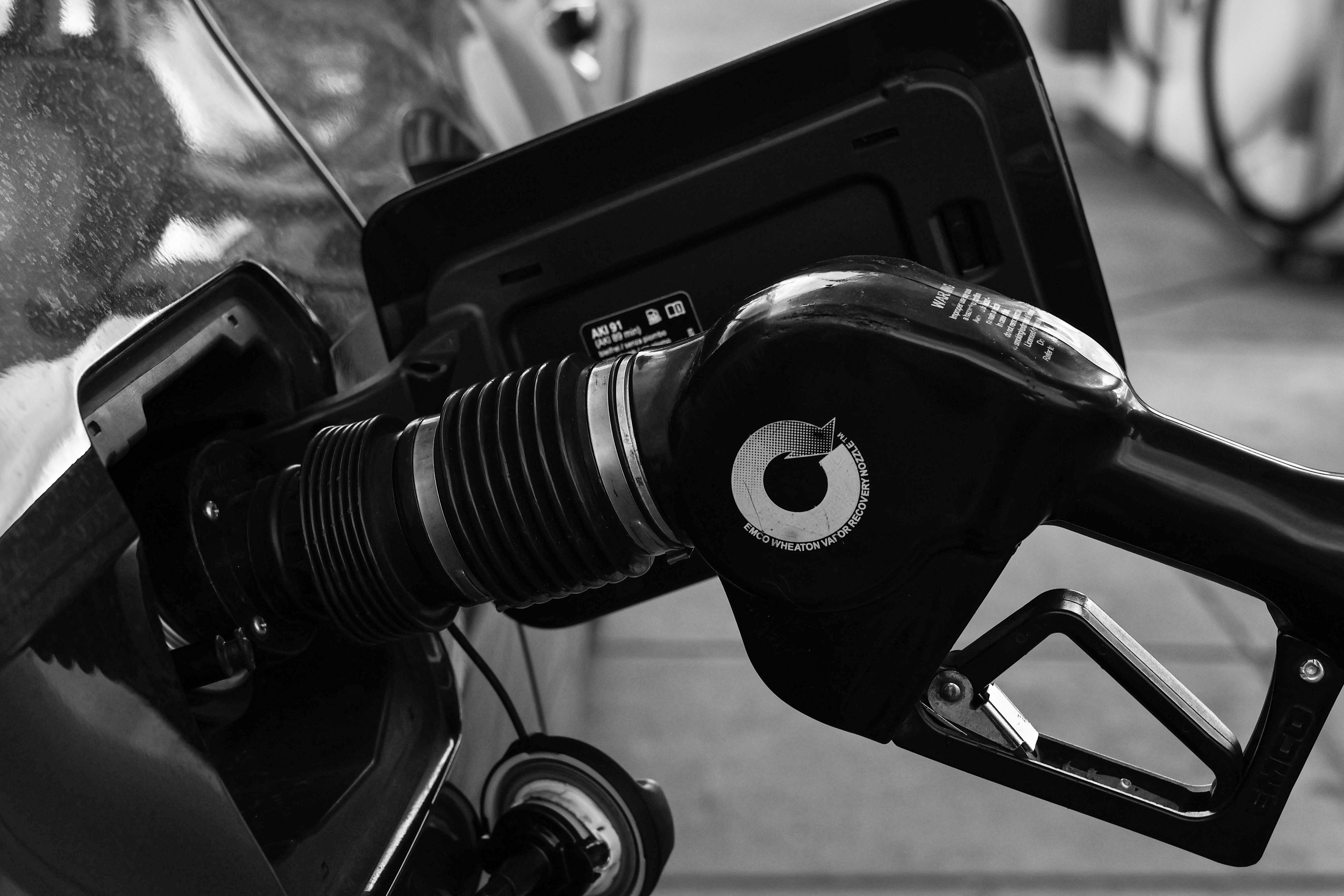
Thinking about doing an LS swap but stuck on the fuel system? You’re not alone. Fuel delivery is one of the most
confusing—and critical—parts of any LS build.
Thinking about doing an LS swap but stuck on the fuel system? You’re not alone. Fuel delivery is one of the most
confusing—and critical—parts of any LS build.
What Fuel System Does an LS Engine Need?
What Fuel System Does an LS Engine Need?
Most LS engines use a return-style fuel system with consistent pressure.
Key requirements:
Fuel pressure: ~58 PSI
High-flow fuel pump
Proper fuel regulator
Return line (in most setups)
Later engines (like some truck setups) may use returnless systems, but for swaps, return-style is usually easier and more reliable.
Most LS engines use a return-style fuel system with consistent pressure.
Key requirements:
Fuel pressure: ~58 PSI
High-flow fuel pump
Proper fuel regulator
Return line (in most setups)
Later engines (like some truck setups) may use returnless systems, but for swaps, return-style is usually easier and more reliable.
LS Swap Fuel System Components
LS Swap Fuel System Components
Here’s what you’ll need for a complete setup:
1. Fuel Pump
External or in-tank
Must support EFI (not carbureted)
Popular options:
Walbro 255
DeatschWerks DW300
2. Fuel Injectors
Most stock LS injectors work fine unless you're making big power.
Upgrade if:
Turbo / boost
Bigger cam
Higher horsepower goals
3. Fuel Pressure Regulator
Keeps fuel pressure stable at ~58 PSI.
Some setups combine:
Regulator + filter (very common and clean setup)
4. Fuel Lines
You’ll need:
Feed line (tank → engine)
Return line (engine → tank)
Best practice:
Use AN lines (AN-6 or AN-8)
Avoid old rubber lines if possible
5. Fuel Filter
Prevents debris from damaging injectors.
Combo units (filter + regulator) save space and simplify plumbing.
Here’s what you’ll need for a complete setup:
1. Fuel Pump
External or in-tank
Must support EFI (not carbureted)
Popular options:
Walbro 255
DeatschWerks DW300
2. Fuel Injectors
Most stock LS injectors work fine unless you're making big power.
Upgrade if:
Turbo / boost
Bigger cam
Higher horsepower goals
3. Fuel Pressure Regulator
Keeps fuel pressure stable at ~58 PSI.
Some setups combine:
Regulator + filter (very common and clean setup)
4. Fuel Lines
You’ll need:
Feed line (tank → engine)
Return line (engine → tank)
Best practice:
Use AN lines (AN-6 or AN-8)
Avoid old rubber lines if possible
5. Fuel Filter
Prevents debris from damaging injectors.
Combo units (filter + regulator) save space and simplify plumbing.
Return vs Returnless Fuel Systems
Return vs Returnless Fuel Systems
Return-Style (Recommended)
Fuel circulates continuously
More consistent pressure
Easier to troubleshoot
Returnless
Simpler on paper
Less plumbing
Harder to tune and swap into older cars
👉 Bottom line:
Go return-style unless you know exactly what you're doing.
Return-Style (Recommended)
Fuel circulates continuously
More consistent pressure
Easier to troubleshoot
Returnless
Simpler on paper
Less plumbing
Harder to tune and swap into older cars
👉 Bottom line:
Go return-style unless you know exactly what you're doing.
Basic Fuel System Layout
Basic Fuel System Layout
Here’s the typical flow:
Fuel Tank → Pump → Filter/Regulator → Fuel Rail → Return to Tank
Keep lines:
Away from heat
Properly secured
Free of sharp bends
Here’s the typical flow:
Fuel Tank → Pump → Filter/Regulator → Fuel Rail → Return to Tank
Keep lines:
Away from heat
Properly secured
Free of sharp bends
LS Swap Fuel System Cost Breakdown
LS Swap Fuel System Cost Breakdown
Typical budget:
Fuel pump: $100–$200
Lines & fittings: $150–$400
Regulator/filter: $50–$150
Injectors (if upgraded): $200–$600
👉 Total: ~$300–$1,000 depending on setup
Typical budget:
Fuel pump: $100–$200
Lines & fittings: $150–$400
Regulator/filter: $50–$150
Injectors (if upgraded): $200–$600
👉 Total: ~$300–$1,000 depending on setup
⚠️Common Mistakes to Avoid
⚠️Common Mistakes to Avoid
Using low-pressure (carb) fuel pumps
Skipping the return line
Poor grounding on fuel pump
Running lines too close to exhaust
Cheap fittings that leak
These are the things that cause most LS swap headaches.
Using low-pressure (carb) fuel pumps
Skipping the return line
Poor grounding on fuel pump
Running lines too close to exhaust
Cheap fittings that leak
These are the things that cause most LS swap headaches.
Pro Tip: Don’t Overcomplicate It
Pro Tip: Don’t Overcomplicate It
A lot of people go overboard trying to build the “perfect” system.
In reality:
A solid pump
Proper regulator
Clean line routing
…is all you need for a reliable setup.
A lot of people go overboard trying to build the “perfect” system.
In reality:
A solid pump
Proper regulator
Clean line routing
…is all you need for a reliable setup.
Where Most Builds Go Wrong
Where Most Builds Go Wrong
Fuel system issues often tie into wiring problems, especially with:
Fuel pump relays
Voltage drop
Poor grounds
If you're running electric fans and a fuel pump off weak wiring, you’re asking for trouble.
👉 That’s why clean, relay-based wiring setups make a huge difference in reliability.
Fuel system issues often tie into wiring problems, especially with:
Fuel pump relays
Voltage drop
Poor grounds
If you're running electric fans and a fuel pump off weak wiring, you’re asking for trouble.
👉 That’s why clean, relay-based wiring setups make a huge difference in reliability.
Final Thoughts
Final Thoughts
An LS swap fuel system doesn’t have to be complicated—but it does have to be done right.
Focus on:
Consistent pressure
Quality components
Clean installation
Do that, and your LS will run exactly how it should.
An LS swap fuel system doesn’t have to be complicated—but it does have to be done right.
Focus on:
Consistent pressure
Quality components
Clean installation